
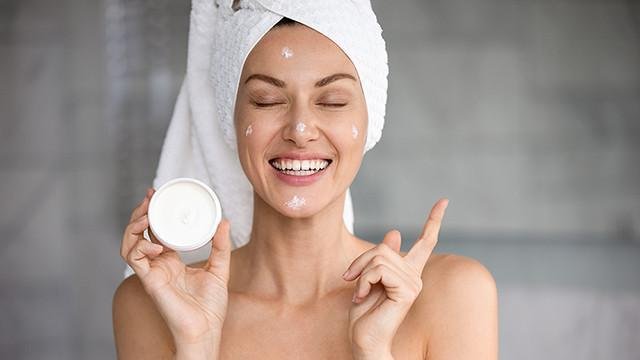
Understanding Moisturizers and Their Role in Skincare
Moisturizers are skin care products designed to manage and enhance skin hydration, ensuring that the skin remains balanced and nourished. Their primary function is to act as a barrier, preventing moisture loss while concurrently attracting water to the skin. Proper hydration is crucial for maintaining the skin’s elasticity, suppleness, and overall appearance.
There are several different types of moisturizers available, each catering to specific skin types and individual needs. Creams, often rich in emollients, are ideal for dry skin as they provide a heavier, more luxurious application. Lotions, being lighter than creams, are suitable for normal to combination skin, allowing for easy absorption without feeling greasy. For oily or acne-prone skin, gels are often the preferred choice as they can hydrate without clogging pores, thanks to their lightweight formula.
The benefits of moisturizing extend far beyond just hydration. Regular use of moisturizers can help strengthen the skin’s barrier function, providing protection against environmental aggressors such as pollution and UV rays. Additionally, moisturizers can alleviate the effects of skin conditions like eczema and dermatitis, offering relief from irritation and dryness. Incorporating a suitable moisturizer into one’s skincare routine is essential not only for aesthetics but also for maintaining the overall health of the skin.
Different formulations may also include active ingredients such as hyaluronic acid, glycerin, and various botanicals which enhance moisturizing properties alongside offering additional benefits, such as soothing and anti-aging effects. In summary, understanding the role and types of moisturizers can empower individuals to make informed choices that support their skin’s unique requirements, promoting a healthier complexion overall.
Key Ingredients to Look for in a Moisturizer
When selecting a moisturizer, understanding the key ingredients can greatly enhance the efficacy of your skincare routine. Among the most valued components are hyaluronic acid, glycerin, ceramides, and various natural oils. Each of these ingredients serves a unique purpose, catering to a variety of skin types and concerns.
Hyaluronic Acid is renowned for its ability to hold up to 1,000 times its weight in water. This makes it an outstanding hydrating agent, ideal for individuals with dehydrated skin. Hyaluronic acid attracts moisture from the environment, helping to plump the skin and reduce the appearance of fine lines and wrinkles. For optimal results, look for moisturizers that feature this ingredient prominently.
Glycerin is another crucial ingredient found in many moisturizers. Similar to hyaluronic acid, glycerin is a humectant that draws moisture to the skin. It works effectively across various skin types, making it a versatile option for oily, dry, and combination skin. Those with sensitive skin can also benefit, as glycerin is known to be gentle and well-tolerated.
Ceramides play a pivotal role in maintaining the skin’s natural barrier. These lipid molecules help to retain moisture and protect the skin from environmental irritants. Ceramide-rich moisturizers are particularly beneficial for those with dry or sensitive skin, as they help to restore and strengthen the skin’s protective layer.
In addition, incorporating natural oils such as jojoba oil, argan oil, or rosehip oil can provide nourishing benefits. These oils not only hydrate the skin but also deliver essential fatty acids and antioxidants, which can enhance skin health. When choosing a moisturizer, consider your specific skin type and its individual needs to identify the right blend of these ingredients for optimal hydration.
How to Incorporate Moisturizers into Your Skincare Routine
Incorporating moisturizers effectively into your skincare regimen is crucial for maintaining optimal skin hydration. To achieve the best results, the application of moisturizers should be timed carefully within the routine. It is generally advisable to apply moisturizer immediately after cleansing. This helps to lock in moisture while the skin is still slightly damp, enhancing absorption and effectiveness.
Layering products correctly can amplify the benefits of your moisturizer. Begin with a gentle cleanser to remove dirt and impurities. After cleansing, consider using a toner to balance the skin’s pH levels, followed by serums that target specific concerns such as hydration, brightness, or anti-aging. Once these products have been applied and absorbed, follow with your moisturizer to seal in these beneficial ingredients and provide the essential hydration your skin needs.
Timing is also significant when applying moisturizers. It is best to apply them in the morning and evening, as the skin’s needs change throughout the day. In the morning, after cleansing and applying any treatments, use a moisturizer with SPF to protect against UV damage. In the evening, a richer moisturizer or a night cream can be beneficial as the skin undergoes repair processes overnight.
Furthermore, enhancing your moisturizing routine can be achieved with additional steps. Incorporating face oils or hydrating mists before or after applying your moisturizer can provide an extra layer of hydration. Additionally, experimenting with different formulas, such as gel-based vs. cream moisturizers, can help tailor your routine to your skin type. By following these guidelines, you can effectively incorporate moisturizers into your skincare routine, ensuring your skin remains hydrated and healthy.
Common Misconceptions About Moisturizers
When it comes to skincare, particularly with moisturizers, there exists a myriad of misconceptions that can lead individuals astray in their skincare routines. One prevalent myth is the belief that individuals with oily skin do not require moisturizers. Contrary to this notion, oily skin still benefits significantly from hydration. In fact, omitting a moisturizer can exacerbate oiliness, as the skin may compensate for lack of moisture by producing even more oil. It is essential to choose a lightweight, non-comedogenic moisturizer that hydrates without contributing to breakouts.
Another common misconception is that using a moisturizer leads to acne. This belief stems from the fear that adding more products to the skin will clog pores. While it is true that certain ingredients in moisturizers can be comedogenic, there is a wide variety of formulations available that are specifically designed to avoid this issue. Individuals should look for products labeled as ‘oil-free’ or ‘non-comedogenic’ to ensure their moisturizer does not trigger acne.
Additionally, some people assume that moisturizers are only necessary in certain seasons. While it is true that skin may need more intensive hydration during colder, drier months, maintaining a consistent moisturizing routine year-round is crucial. Environmental factors such as air conditioning, pollution, and even indoor heating can contribute to moisture loss in the skin at any time of the year, necessitating the application of moisturizer daily.
By addressing these common misconceptions, consumers can make informed choices regarding their skincare products. Understanding the importance of using the appropriate moisturizer for their skin type can lead to healthier, more radiant skin. It is vital to acknowledge that moisturizers are not solely a luxury, but rather an essential component of any effective skincare regimen.